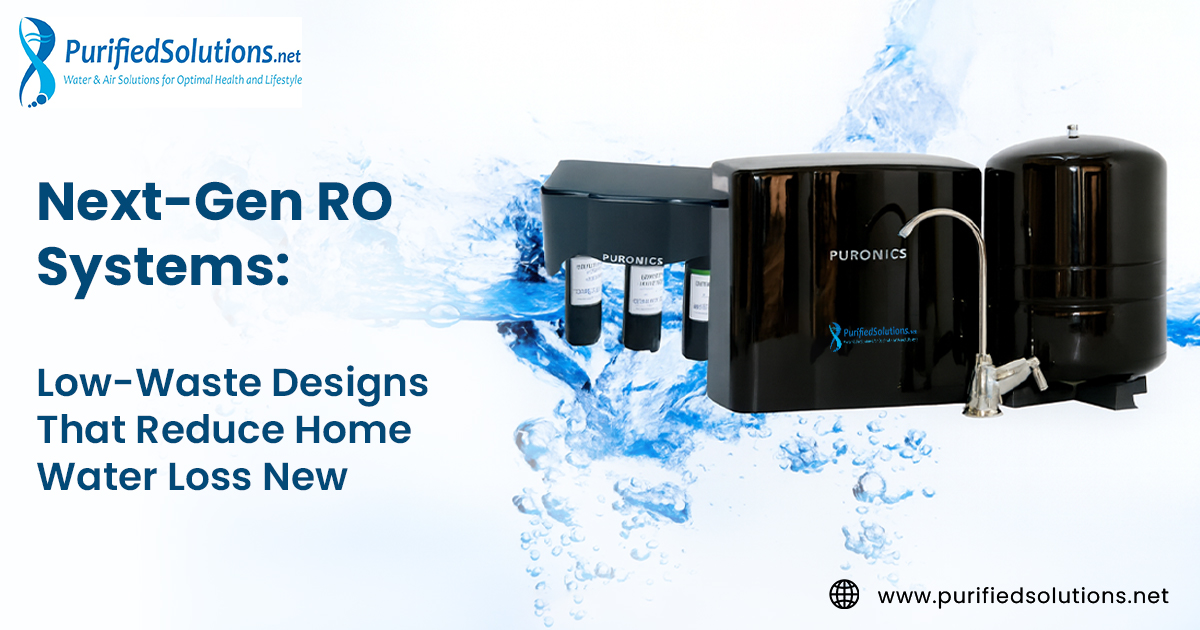
Next-Gen RO Systems Cut Water Waste with Low-Wastage Designs
Reverse osmosis (RO) filters clean drinking water very well. However, many people complain that old RO systems waste too much water. Traditional under-sink RO units throw away 3–4 liters of water for every 1 liter they clean.
But now, new RO systems change this problem. They use smart designs that cut water waste by more than half. Some models even get close to “zero” waste for normal home use.
Here’s how they do it, why it matters, and what to look for if you’re shopping.
Where the Waste Comes From
RO systems clean water by pushing it through a special membrane. The clean water that comes out is the “permeate.” The extra water left behind, called the “reject” or “brine,” carries the removed dirt and contaminants away.
This reject water keeps the membrane clean and stops it from clogging. However, older RO systems send this reject water straight into the drain. Because of this, people see it as the “waste” that RO creates.
Four Smart Ways to Reduce RO Water Waste
New RO technology now helps homeowners save far more water than older systems. Here are four simple and effective methods that make RO filtration much more efficient:
1. Permeate Pumps (save water without electricity)
A permeate pump uses the pressure from the reject water to push clean water into the storage tank. This action lowers pressure on the membrane and improves water recovery.
As a result, many users see up to 80% less waste compared to normal RO systems. You can also add this pump to many under-sink units, and it offers big savings without any electronics.
2. “Zero-Waste” Plumbing Methods (reuse and redirect water)
Some new RO systems avoid draining reject water. Instead, they send it back to the overhead tank or use it for toilets, laundry, or gardening. When setup and local rules allow, the system can run with almost zero waste.
You must keep reject water away from drinking lines. Many brands now offer zero-waste technology, which helps homes using a well water filtration system.
3. Staged and High-Recovery RO Systems
New engineering methods—like multi-stage RO, better membranes, and closed or circulating RO designs (CCRO)—help the system recover more clean water on the first pass while keeping quality high.
Tests show that high-recovery RO systems cut wastewater greatly and still provide clean permeate. Advanced closed-loop designs now achieve recovery levels once seen only in large industrial plants.
4. Smart Monitoring and Automatic Flush Control
Modern RO systems use smart sensors and improved controllers to check water quality in real time and decide when to run a cleaning flush. This way, the system wastes water only when needed to protect the membrane.
As more brands add these smart features, efficient sensor-based controls are becoming common in everyday home water products.
Real Benefits for Homeowners
Low-waste RO systems offer more than just cleaner water. They also give homeowners practical savings and support better water management at home.
Lower water bills and footprint:A low-waste RO system produces less reject water meaning the homeowner saves money and mitigates water use, especially in metered or water-scarce areas.
Longer membrane life:Improved pressure control and staged flow configurations help the membrane, hence, you replace it less frequently.
Practical reuse options:The reject water can be diverted to toilets, laundry, or gardening which helps in lowering your total freshwater consumption.
Enhanced sustainability contribution:Low-waste RO systems enable households to accomplish their water-saving targets and be a part of community conservation initiatives.
What to Check Before You Buy
Prior to purchasing an RO system, a glance at a few essential points will help you obtain the most efficient setup.
Recovery ratio and waste rate:Locate the manufacturer’s specifications for recovery (%) or how many liters of water are wasted per liter of clean water.
Permeate pump compatibility:If the system can use a permeate pump, see whether it comes included or can be added later.
Plumbing needs:Zero-waste setups often need special plumbing to safely reuse reject water. Make sure your setup follows local codes.
Smart features & sensors:Systems with real-time diagnostics and filter-life alerts help you maintain efficiency.
Certifications:Look for NSF/ANSI approval or independent test data to verify water quality and recovery claims. Many homeowners combine these RO systems with a whole house water filter for complete water protection.
Bottom Line
Modern RO systems now cut water waste dramatically with permeate pumps, smart controls, staged high-recovery designs, and reject-water reuse. Some homes achieve near-zero waste.
For clean, sustainable water, choose systems with clear recovery rates and smart water-handling features. Upgrade today withPurified Solutionsfor efficient, low-waste purification.
